
Turning a powerful idea into practical change
Syndemic thinking offers a different way of understanding complex health challenges. It recognizes that conditions such as HIV, sexually transmitted infections, viral hepatitis, substance use, mental health challenges, and other health and social conditions do not occur independently. They interact with one another—and with the social, structural, and environmental conditions that shape health.
But recognizing those connections is only the beginning.
For many organizations, the harder question is what to do next. Programs, funding streams, data systems, workforce structures, partnerships, and performance measures have often been built around individual diseases or programs. Moving toward a syndemic approach therefore requires more than adopting new terminology. It requires thoughtfully examining how an organization works and identifying practical opportunities for greater integration.
That is where we can help.
Our Purpose
We help public health agencies, HIV/AIDS organizations, community-based organizations, and their partners move beyond disease-specific approaches toward integrated systems that reflect how health challenges actually intersect.
Our work is grounded in a simple principle: syndemic transformation should strengthen organizations, not simply add another layer of work.
We work with organizations to understand where integration can create meaningful value, identify existing strengths that can be built upon, and develop practical strategies that fit their mission, workforce, resources, partnerships, and communities.
The goal is not integration for its own sake. It is to build stronger systems capable of understanding complex health challenges and translating that understanding into coordinated, equitable, and effective action.
Meet the Founder
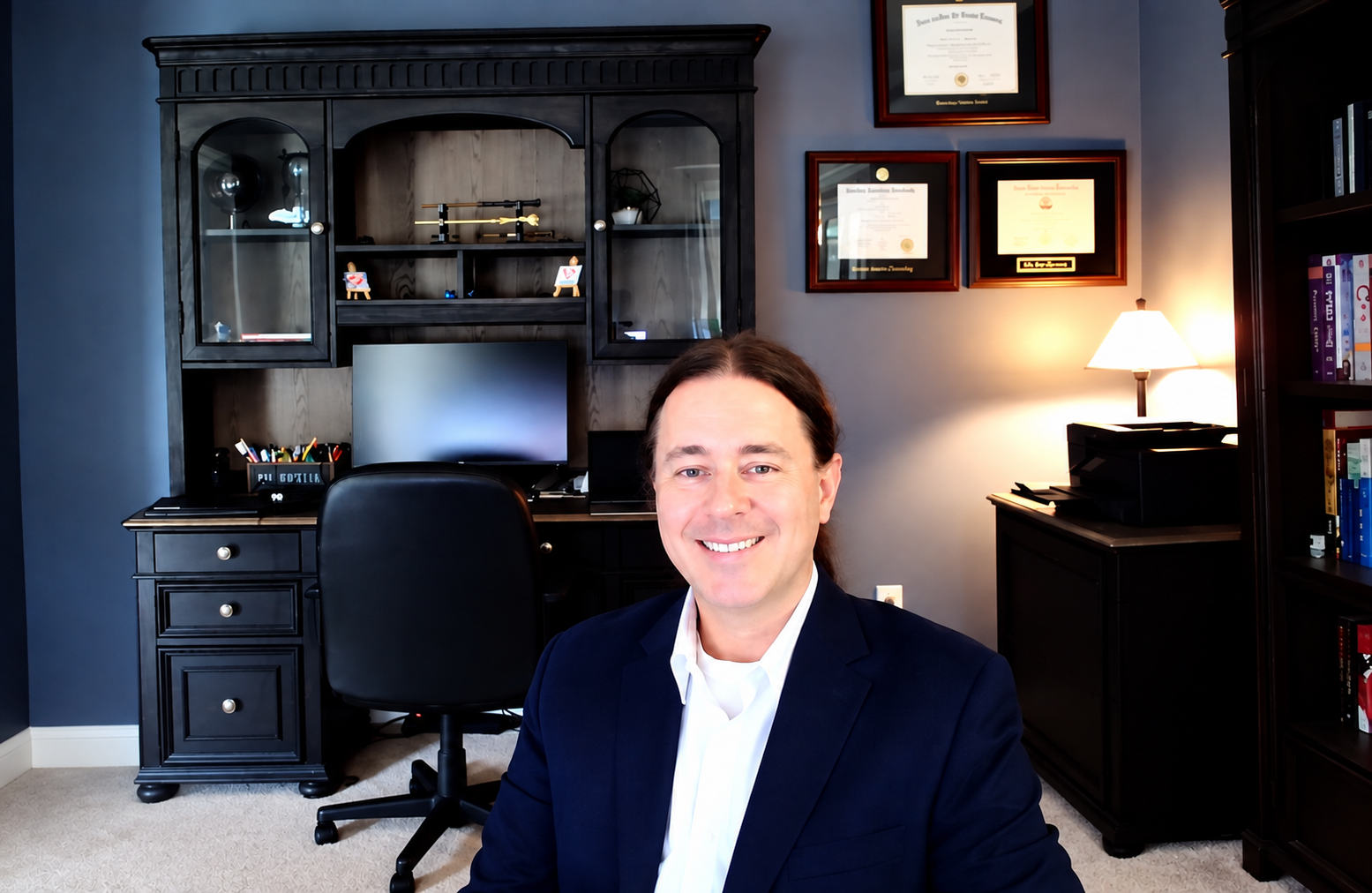
Shane Roberts, DrPH, MPH
Founder & Principal Consultant
Shane Roberts is a public health executive and epidemiologist with nearly two decades of experience leading complex governmental public health programs, organizational initiatives, and health system improvement efforts.
Most recently, he served as Director of the Division of Epidemiology, Evaluation, and Partner Services within the New York State Department of Health AIDS Institute, providing executive leadership for a multidisciplinary division responsible for HIV surveillance and epidemiology, disease investigation and partner services, data analysis, evaluation, research translation, and outbreak response.
His work has focused extensively on the challenge at the center of this consultancy: how to move syndemic thinking from a conceptual framework into the day-to-day operations of public health organizations.
This has included leading efforts to integrate epidemiologic, programmatic, qualitative, and social-determinants data; developing syndemic surveillance and reporting approaches; assessing organizational readiness and capacity for syndemic implementation; strengthening connections between surveillance and response; and creating strategies for translating evidence into coordinated public health action.
Earlier in his career, Shane held leadership roles spanning public health practice, local health department infrastructure, community health improvement, grant administration, program implementation, and evaluation. This experience provides an understanding not only of epidemiology and data, but also of the operational realities organizations face when attempting meaningful systems change.
Shane holds Doctor of Public Health and Master of Public Health degrees and brings a practitioner’s perspective to every engagement.
How We Work
We believe organizations rarely need someone to arrive with a predetermined model and tell them what a syndemic approach should look like.
They need a partner who can listen, understand their existing systems, identify what is already working, uncover barriers to integration, and help translate ambitious ideas into achievable change.
Our approach is therefore collaborative, evidence-informed, and grounded in implementation. We meet organizations where they are and help them determine where they can realistically go next.
Because moving beyond disease-specific systems does not happen all at once.
It begins by building the connections that make better public health possible.
Ready to Explore What’s Possible?
Tell us a little about your organization and what you’re working toward. We’ll start with a conversation about where you are, where you want to go, and how we may be able to help.